BUILD · FREE
Gravel Calculator
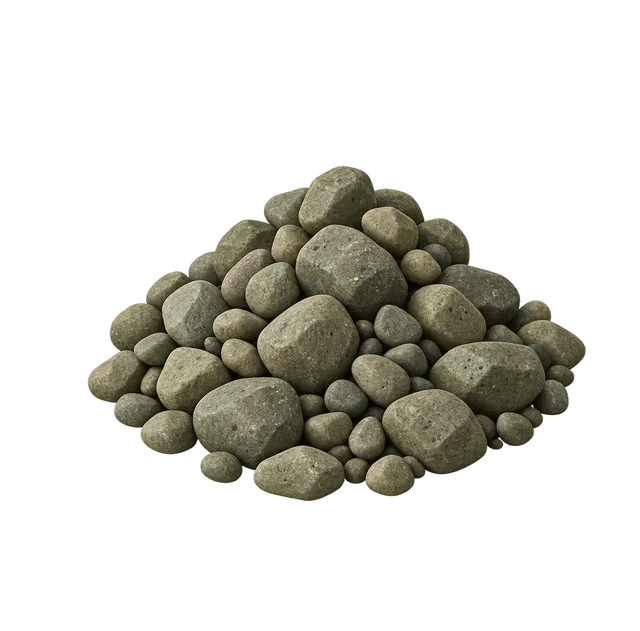
Work out how many cubic yards and tons of gravel you need for a driveway, path, patio base or garden. Free, exact and private.
YOU NEED
–
Estimate only. Bag yields, material density and waste vary by product and supplier. Confirm quantities with your supplier and check local building codes before you buy or build.
How to calculate gravel
Multiply length × width × depth to get cubic feet, then divide by 27 for cubic yards. A 12 × 10 ft area at 4 inches deep is 40 cubic feet, or 1.48 cubic yards. Add 10% for waste and settling and you order about 1.63 cubic yards.
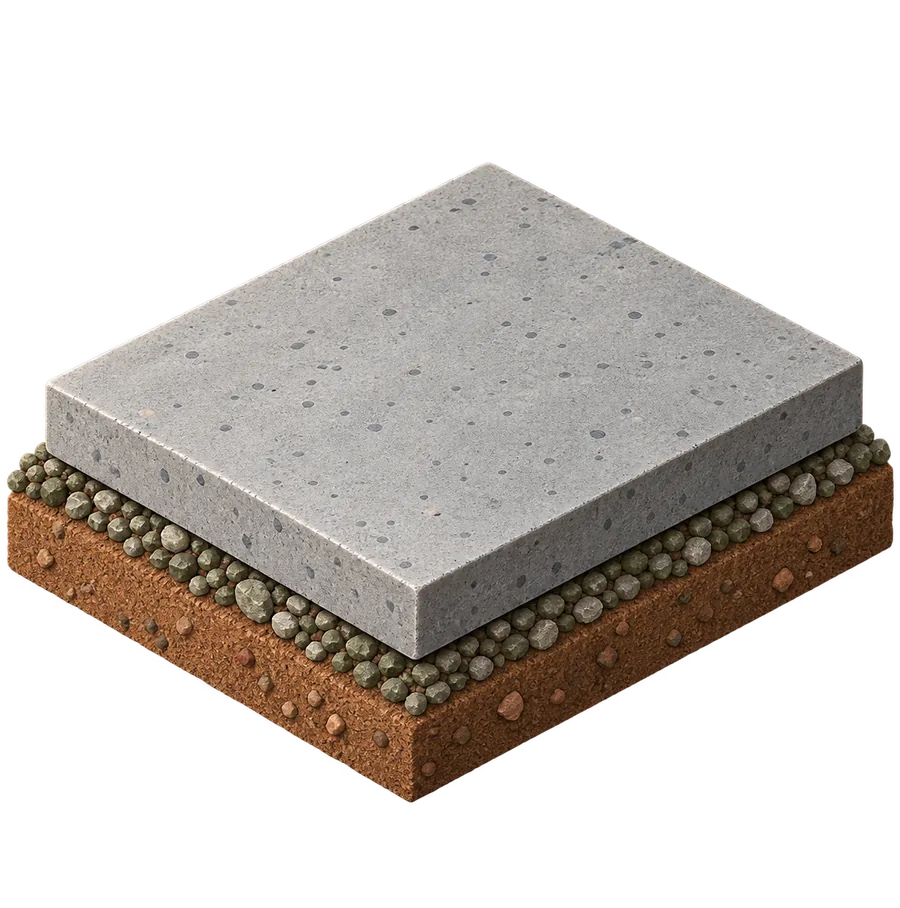
Gravel yardage: how many yards of gravel?
Gravel yardage is the volume you order, in cubic yards. The calculator shows it for the exact area and depth you enter, including the waste and compaction you choose, so you can order by the yard when your supplier sells it that way.
Gravel calculator by the ton
Gravel is usually sold by the ton, so the calculator multiplies cubic yards by the material's density. Pea gravel and #57 stone weigh about 1.4 US tons per cubic yard. Crushed base such as crusher run or CA6 is heavier, about 1.5 to 1.7. In Canada a metric tonne is about 10% heavier than a US ton, so the result is shown both ways.
How deep should gravel be?
Common depths are 2 to 3 inches for paths and decorative beds, 4 inches for patio and shed bases, and 4 to 6 inches for driveways, with a thicker base for heavy vehicles. Packed base compacts, so add 10 to 15% in the compaction box when you will tamp it.
Frequently asked questions
How many tons of gravel do I need?
Multiply cubic yards by the material's weight per cubic yard. For pea gravel at 1.4 tons per yard, one cubic yard is about 1.4 tons. The calculator does this for any area and rounds the order up to the next tenth of a ton.
How do I calculate gravel by the ton?
Find cubic yards (length × width × depth in feet ÷ 27), then multiply by the material's tons per cubic yard. Pea gravel is about 1.4, crushed base about 1.6. The calculator does it in one step and rounds your order up to the next tenth of a ton.
How much does a yard of gravel weigh?
Roughly 2,700 to 3,400 pounds, which is 1.35 to 1.7 US tons, depending on the stone, moisture and how much fine material it contains. Pea gravel and clean #57 stone sit near 1.4 tons. Crushed base with fines is closer to 1.6.
How much gravel do I need for a 10 x 10 area?
A 10 × 10 ft area at 4 inches deep is 1.23 cubic yards before waste, about 1.36 with 10% extra, or roughly 1.9 US tons of pea gravel.
Should I add extra for waste or compaction?
Yes. Add about 10% for spillage, uneven ground and settling. For crushed base that you will compact, add another 10 to 15%.
What is the difference between a ton and a tonne?
A US ton is 2,000 pounds. A metric tonne is 1,000 kilograms, about 2,205 pounds. Canadian suppliers usually quote tonnes. Both are shown in the results.
How accurate is this estimate?
It is a planning estimate, not an order. Bag yields, material density and waste vary by product, supplier and job, so confirm quantities with your supplier and check local building codes before you buy or pour.
Are my measurements saved?
No. Everything is calculated in your browser. Nothing is uploaded or stored.
More free building calculators
Also on this topic: Pea gravel calculator, Driveway gravel calculator.